_-_Lato_A-fixed.png)
| < |
The Preservation of the Holy Bible According to the Quran |
The Testimony of the Quran
Does the Quran say that the Bible was changed?
No. The Quran does not say that the Holy Bible was changed or altered, on the contrary, the Quran witnesses to the inspiration, preservation, authenticity, reliability, correctness and authority of the Holy Bible. For detailed explanation, please refer to the chapters and sections in this article below.
I. Introduction
1. Claims of Muslims:
It is often claimed in conservative Sunni Islamic circles, or at least alluded to that the Bible had been “altered”, “manipulated” or “corrupted”. For example, two official Sunni Islamic English translations of the Quran add a footnote to a Quranic verse which defines the term “enlightening Scriptures” by saying: “the original Torah of Moses and the Gospel of Jesus” and “The unaltered, original Torah and Gospel, which were revealed by Allāh” respectively. For example: Quran 3:184, translations of Dr. Mustafa Khattab and Saheeh International. Thus making a distinction between the Scriptures we have today, and the original Scriptures which were originally written and which were supposedly "altered".
2. Their Purpose:
The claim that the Bible had been changed is necessary to undermine a few important questions:
Question 1:
One of those questions is: Why does Islamic morality (Sharia Law) which Muhammad introduced seem hostile and intolerant when compared to Christian morality which teaches love and forgiveness and which predated Islam? Take as an example treating captured women as sex slaves, the punishment of stoning for adultery, the beating of wives, the hand cutting of thieves etc. Such cruelty is unheard of in Christianity, so why does Islam seem more like a regression to Judaism rather than a continuation of Christianity?
The Christian understanding of the Law given to Moses, e.g. the punishment system, is pedagogical. From the moment Adam and Even disobeyed God and were expelled from the garden of Eden, God desired to redeem them and he had a salvific plan. Therefore He guided them, He "walked with them", disciplined them when they stubbornly disobeyed and He sent them prophets to prepare them for the revelation of His true identity to them. In this sense, we can understand God's behaviour as a loving father who in the end sent down his only Son (the Word incarnate) who revealed to us the true identity of God, who is love. In this sense, Christ fulfilled the law by perfecting it and lifting it from the language of the whip, to the language of love \footnote{The Bible says: “God is love” (1 John 4:8)}.
But the story is very different in Islam: Take for example the punishment of stoning for adultery: It was a Mosaic law\footnote{(Deuteronomy 22:23-24)} which was given as a discipline to “stiff-necked people”\footnote{(Exodus 32:9); “rebellious and stubborn” (Duetronomy 31:27)}.
When Christ ran across the adulterous woman, he forgave her, gave her another chance by commanding her: “sin no more”\footnote{(John 5:14)}. In doing so he abolished the punishment of stoning, so did Christians after Him. However stoning was reinstated 5 centuries later in Islam\footnote{\href{https://sunnah.com/muslim:1691a}{Sahih Muslim 1691a}; \href{https://sunnah.com/bukhari:6829}{Sahih Al-Bukhari 6829}}, the logical explanation of which is that the Islamic Law is a regression to the Mosaic Law.
Therefore by claiming that the Bible was manipulated, the Muslim apologist can portray Islam as a kind of continuation of Divine Revelation from Judaism, to Christianity to Islam, and he can portray the Quran as the “Final Revelation” from God.
Question 2:
Another question Muslim apologists seek to undermine is: Who is Christ really? Is he only a prophet as the Quran claims?\footnote{Despite other Quranic verses calling Jesus “the Christ”, the “Word of God”, and a “Spirit from God” (Quran 4:171)} Or is he God incarnate as proclaimed in the Gospel?
God according to the Quran can forgives sins.
Jesus according to the Bible? The Holy Bible says about Jesus Christ that he is the divine Son of God, God incarnate,\footnote{(John 1:1,14)} who redeemed mankind by having died in the flesh and risen on the third day\footnote{(1 Corinthians 15:3-8)} conquering death by the power of His divinity.
Who lived a sinless life\footnote{Compare with Muhammad who was sinful 40:55, 47:19, 48:2}, could forgive others' sins \footnote{Mark 2:5-10; cf. Matthew 9:2-8; Luke 5:18-26. The Quran says only God can forgive sins 3:135}, raise the dead and will one day judge the world on the day of judgement\footnote{The Quran does not deny these things about the Christ.}.
3. What is the Bible?
The Bible is the book which the Christians believe as the word of God and consider a Holy inspiration from God. It was written by 10s of people across 3 millennia, who wrote under inspiration each according to his own style. It is noteworthy to outline in this book that it was called by Syriacs and Arab Christians which were contemporaries to Muhammad as "The Holy Book". They still call it so until today. The significance of this name will be highlighted later, as the Quran refers to the Bible using the term "The Book", undoubtedly, The Holy Bible. The Bible is composed of two main parts: the Old Testament (before Christ), and the New Testament (after Christ). The Old Testament is composed of:
- The Torah (also called the Law, consists of the first 5 books of the OT which were written by Moses)
- The Prophets
- Historical books
- Wisdom and poetic books including the Psalms. These books prophesy the coming of the Messiah, the Christ, and they are the same books which the Jews believe in.
The New Testament is mainly composed of:
- The Gospel, written in four testimonies by four eye-witnesses: Matthew, Mark Luke and John; who tell the life of Jesus, namely the incarnation of the Word of God, His life, Death and Resurrection
- Acts (the birth of the church)
- The Letters of St. Paul
- The Catholic letters
- The book of Revelation
The message of the New Testament is referred to by Christians as the “Enjeel”, which comes from the Greek word “Evangelion” which means “the good news”, “Albishara” in Arabic \foreignlanguage{arabic}{(البشارة)}, or “Gospel” in English. The same word (Enjeel) is used in the Quran to refer to the Gospel. The Scriptures is a general term used to refer to the Holy Bible either in part or in full.
As Christians, we believe that the Holy Bible is inspired from God, and that it was preserved and protected by Him \footnote{(Psalm 119: 89)} from corruption or from being altered or changed since the time it was written until today, including the time during which Muhammad lived.
4. What is the Qur'an?
The Qur'an is a book of verbatim verses which was written by a single man named Muhammad (Kutham), who attributed them to Allah (the Arabic word for God used in the Quran). It is composed of X suras (with or excluding the Fatiha?) It is the primary book Muslims believe in. Secondary books are called the Hadiths, which are the reported sayings of Muhammad and his companions.
5. How did we pick Quranic English translations?
Native Arabic speakers can tell that no single English Quran translation is faithful to the original Arabic text. It makes us wonder why some Muslims might feel shy of accurately translating the original text or might even alter it by removing or adding words to what they consider the literal words of God. All English translations are biased in translating one verse or another. For the most accurate understanding of the Qur'an, the only recourse is to study the original Arabic script. But we know this is not possible for the majority of the English speaking world. Therefore and for the reason of being as accurate as possible for this study, we used more than a single English translation, and we always used the original Arabic script with the English translation which best represents it as literally as possible.
To give you an idea of the purposeful distortions in Quranic translations, we list a couple of examples:
One verse in the Quran allows men to beat their wives (regardless of how lightly, and regardless that the deity of Islam somehow sees women as worthy of being beaten by their husbands as if they were of a lower status than men, as another verse states\footnote{}. This is not our concern at the moment but rather the translation accuracy). The following is a table of different translations to the word from verse 4:34 which literally means "to beat". The literal translation of وَٱضْرِبُوهُنَّ is "beat them" or "hit them", the pronoun refers to women. The root of the word in arabic is ضرب which means "to beat" or "to hit". A comparison of Quranic translations in verse 4:34.
| Quran | Translation of َٱضْرِبُوهُنَّ |
|---|---|
| T. Usmani | beat them |
| A. Maududi | and beat them |
| M.A.S. Abdel Haleem | then hit them |
| M. Pickthall | and scourge them |
| A. Yusuf Ali | beat them (lightly) |
| Al-Hilali & Khan | beat them (lightly, if it is useful) |
| Saheeh International | strike them [lightly] |
| Mustafa Khattab | discipline them ˹gently˺ |
Notice that in 5 popular translations, the word "lightly" which does not exist in the original script is added in brackets. We believe this is whitewashing and undertoning of the original text. So we have excluded such unfaithful translations.
Another example is in verse 3:184, the phrase is: ٱلْكِتَـٰبِ ٱلْمُنِيرِ which literally means "The enlightening book", referring to the book which was given to "the prophets before Muhammad". We assume that this "book" is the same book which the Syriac and Arab Christians who dated Muhammad and referred to as "The Holy Book", and still call it this name until today. This phrase is translated as such. Comparison of Quranic translations in verse 3:184:
| Quran | Translation of ٱلْكِتَـٰبِ ٱلْمُنِيرِ |
|---|---|
| T. Usmani | “the enlightening Book” |
| A. Maududi | “the illuminating Book” |
| A. Yusuf Ali | “the Book of Enlightenment” |
| Al-Hilali & Khan | “the Book of Enlightenment” |
| M.A.S. Abdel Haleem | “enlightening scripture” |
| M. Pickthall | “the Scripture giving light” |
| Saheeh International | “the enlightening Scripture” |
| Mustafa Khattab | “enlightening Scriptures” |
In this particular case, using "Scripture" or "Scriptures" instead of "book" undoubtedly undertones the meaning of the verse as it gives the impression that what is being talked about here could be any part of the Bible, but actually it mentions the Holy Bible by name "The Book". Therefore some translations undertone the meaning of the verse as it was understood by Muhammad's contemporary Christians who referred to the Bible (and still do) as "The Holy Book" (الكتاب المقدّس).
Namely, we mainly used 3 translations 1. Sahih International (S. I.); 2. Dr. Mustafa Khattab's The Clear Quran (M. K.) and 3. Marmaduke Pickthall's The Meaning of the Glorious Koran (M. P.) 4. Hilali–Khan's Noble Quran.
Our purpose is to know when the bible is mentioned. So we want it to be literal. We encourage readers to consult them and others for better understanding; and if possible to go back to the Arabic text directly. We have also added our own literal translations where most helpful in double square brackets ‘[[’ and ‘]]’.
6. Purpose of This Book (page)?
The supposed fundamental evidence for the “corruption” accusations relies on the Quran, the main document Muslims believe in and consider holy. The thesis presented in this book is that such claims are unfounded in the Quran. Quranic verses are ignorantly and reluctantly quoted, their interpretations twisted and framed to fit the “corruption” criteria. Whereas in fact, the Quran testifies to the preservation, authenticity and authority of the Holy Bible. The purpose of this book is to unearth the truth by listing all Quranic verses which concern the Holy Bible and highlighting their interpretations from the four chief Quranic interpreters recognised throughout the Islamic world\footnote{Al-Jalalayn, Ibn Kathir, Al-Qurtubi and Al-Tabari.}. This argument will be presented and explained gradually in the following few chapters.
The purpose of writing this book about the Quran is not because we trust or accept everything it claims; we know that big portions of the Quran were plagiarised from sources including the Bible and the Jewish oral tradition \footnote{For example: The text quoted in (Quran 5:32) is attributed to God, in fact it comes from a Jewish interpretation of the Torah (\href{https://www.jewishvirtuallibrary.org/tractate-sanhedrin-chapter-4}{Tractate Sanhedrin: Chapter 4: Mishna III}). The text quoted in (Quran 27:18), an ant speaking to other ants, is a known Jewish legend (\href{https://www.sefaria.org/Legends_of_the_Jews.4.5.117?lang=bi&with=all&lang2=en}{The Legends of the Jews by Louis Gianberg, 1909, Volume 4, Chapter 5:117}). Quran 112 (Surat Al-Ikhlas) is attributed to God, in fact it is quoted in part % stolen from the poetry of Umayya Bin Abu Al-Salat (also known as Abu Alhakam). See (\href{https://sunnah.com/muslim:2255a}{Sahih Muslim 2255a}) a Hadith (a discussion attributed to Muhammad) confirming that Muhammad learned from the poetry of this poet. For the original poems, see the book (Arabic): \foreignlanguage{arabic}{ديوان أمية بن أبي الصلت - سجيع جميل الجبيلي - دار صادر بيروت ١٩٩٨ ص. ٤٣}}.
and that it was forged to serve Muhammad's interests and carnal pleasures For example what Muhammad's wife Aisha said to him: “It seems to me that your Lord hastens to satisfy your desire” (Sahih Muslim 1464a). This was when God supposedly said in the Quran that Muhammad may have whoever woman he wished (Quran 33:51) and after Muhammad let his adopted son Zaid divorce his wife Aisha Bint Jahsh and he married her (Quran 33:37)..
Rather we use it as a tool to help us reach out to Muslims, highlighting that it (whether intentionally or unintenitionally) provides an additional historic witness that the Bible was preserved unchanged as inspired from God.
7. Declaration:
We wish to declare that this book is based on the booklet “The Non-distortion of the Holy Book” by Father Zakaria Boutros Available in Arabic: عدم تحريف الكتاب المقدس، الأب زكريا بطرس . You can also find it in Fr. Zakaria's section on this website.
II. The Quran Asserts The Divine Origin Of The Holy Book (Bible)
The Holy Bible comes from God. The Quran stresses that the Holy Scriptures originated from God and that they were given directly by Him. Starting with the Torah, then the Psalms, the books of the Prophets, the Gospel and the Bible altogether. Below is a detailed discussion of each category and a listing of supporting Quranic verses:
1. The Torah:
The Quran Witnesses that the Torah comes from God, and that He gave it to the Jews (Moses) as guidance and light:
-
«إنّا أنزلنا التوراة فيها هدى ونور يحكم بها النبيّون الذين أسلموا للذين هادوا والربّانيون والأحبار بما استحفظوا من كتاب الله وكانوا عليه شهداء فلا تخشوا الناس واخشون ولا تشتروا بآياتي ثمنا قليلا ومن لم يحكم بما أنزل الله فأولئك هم الكافرون.»
المائدة ٤٤«Indeed, We revealed the Torah, containing guidance and light, by which the prophets, who submitted themselves to Allah, made judgments for Jews. So too did the rabbis and scholars judge according to Allah’s Book, with which they were entrusted and of which they were made keepers.» Quran 5:44 [Mustafa Khattab] -
«ولقد آتينا موسى الكتاب وقفينا من بعده بالرسل وآتينا عيسى بن مريم البينات وأيدناه بروح القدس.»
البقرة: ٨٧«Indeed, We gave Moses the Book and sent after him successive messengers. And We gave Jesus, son of Mary, clear proofs and supported him with the holy spirit.» Quran 2:87 -
«وآتينا موسى الكتاب وجعلناه هدى لبني إسرائيل ألا تتخذوا من دوني وكيلا.»
الإسراء: ٢«And We gave Moses the Scripture and made it a guide for the Children of Israel, stating: “Do not take besides Me any other Trustee of Affairs.» Quran 17:2 -
«ولقد آتينا موسى الكتاب لعلهم يهتدون.»
المؤمنون: ٤٩«And We certainly gave Moses the Scripture, so perhaps his people would be rightly guided..» Quran 23:49 -
«ولقد آتينا موسى الكتاب وجعلنا معه أخاه هارون وزيرا.»
الفرقان: ٣٥«We certainly gave Moses the Book and appointed his brother Aaron as his helper.» Quran 25:35 -
«ولقد آتينا موسى وهارون الفرقان وضياء وذكرا للمتقين.»
الأنبياء: ٤٨«TODO.» Quran 21:48 -
«ولقد آتينا بني إسرائيل الكت(ا)ب والحكم والنبوة ورزقناهم من الطيبات وفضلناهم على العالمين.»
الجاثية: ١٦«TODO.» Quran 45:16
2. The Enjeel:
-
«وقفينا على آثارهم بعيسى ابن مريم مصدقا لما بين يديه من التوراة وآتيناه (أي أوحينا إليه) الإنجيل فيه هدى ونور ومصدقا لما بين يديه من التوراة وهدى وموعظة للمتقين.»
المائدة: ٤٦«Then in the footsteps of the prophets, We sent Jesus, son of Mary, confirming the Torah revealed before him. And We gave him the Gospel containing guidance and light and confirming what was revealed in the Torah—a guide and a lesson to the God-fearing.» Quran 5:46 -
«وقفينا بعيسى ابن مريم وآتيناه الإنجيل وجعلنا في قلوب الذين اتّبعوه رأفة ورحمة ورهبانية.»
الحديد: ٢٧«Then We caused Our messengers to follow in their footsteps; and We caused Jesus, son of Mary, to follow, and gave him the Gospel, and placed compassion and mercy in the hearts of those who followed him. But monasticism they invented - We ordained it not for them - only seeking Allah's pleasure, and they observed it not with right observance..» Quran 57:27
3. The Psalms And The Prophets:
-
«وربك أعلم بمن في السماوات والأرض ولقد فضلنا بعض النبيين على بعض وآتينا داود زبورا (أي المزامير)»
الإسراء: ٥٥«Your Lord knows best all those in the heavens and the earth. And We have surely favoured some prophets above others, and to David We gave the Psalms.» Quran 17:55 -
«إنا أوحينا إليك كما أوحينا إلى نوح والنبيين من بعده وأوحينا إلى إبراهيم وإسماعيل واسحق ويعقوب والأسباط وعيسى وأيوب ويونس (يونان) وهارون وسليمان وآتينا داود زبورا.»
النساء: ١٦٣«Lo! We inspire thee as We inspired Noah and the prophets after him, as We inspired Abraham and Ishmael and Isaac and Jacob and the tribes, and Jesus and Job and Jonah and Aaron and Solomon, and as We imparted unto David the Psalms.» Quran 4:163 -
«وإن يكذّبوك فقد كَذّبَ الذين من قبلهم جاءتهم رسلهم بالبينات وبالزبر (الكتب) و بالكتاب المنير (أي الكتاب المقدّس).»
فاطر: ٢٥«And if they deny thee, those before them also denied. Their messengers came unto them with clear proofs (of Allah's Sovereignty), and with the Psalms and the Scripture giving light [literally: ‘enlightening book’].» Quran 35:25 -
«فإن كذبوك فقد كذب رسل من قبلك جاءوا بالبينات والزبر والكتاب المنير (تفسير الطبري: الكتاب هو التوراة والإنجيل).»
آل عمران: ١٨٤«And if they deny thee, even so did they deny messengers who were before thee, who came with miracles and with the Psalms and with the Scripture giving light (literally: the enlightening book).» Quran 3:184 -
«وما أرسلنا من قبلك إلا رجالا نوحي إليهم فاسألوا أهل الذكر إن كنتم لا تعلمون (تفسير الطبري: الذكر هو التوراة والإنجيل، أهل الذكر أي أهل الكتاب).»
النحل: ٤٣«And We sent not (as Our messengers) before thee other than men whom We inspired - Ask the followers of the Remembrance if ye know not!» Quran 16:43 -
«وما أرسلنا من قبلك من رسول إلا نوحي إليه أنه لا إله إلا أنا فاعبدون.»
الأنبياء: ٢٥«And We sent no messenger before thee but We inspired him, (saying): There is no Allah save Me, so worship Me.» Quran 21:25 -
«لقد أخذنا ميثاق بني إسرائيل وأرسلنا إليهم رسلا كلما جاءهم رسول بما لا تهوى أنفسهم فريقا كذبوا وفريقا يقتلون»
المائدة: ٧٠«We made a covenant of old with the Children of Israel and We sent unto them messengers.» Quran 5:70 -
«وما أرسلنا قبلك إلا رجالا نوحي إليهم فاسألوا أهل الذكر إن كنتم لا تعلمون»
الأنبياء: ٧«And We sent not (as Our messengers) before thee other than men, whom We inspired. Ask the followers of the Reminder [or ‘remembrance’, meaning Holy Bible] if ye know not?» Quran 21:7 -
«صُحُف إبراهيم وموسى».(أين هي صحف إبراهيم؟ لا ذكر لها لا في الكتاب المقدس ولا عند اليهود ولا في التاريخ ولا في علم الآثار. أليس الله يحفظ كلمته؟)
الآلاء: ١٩TODO Quran 87:19 -
«واذكر في الكتاب إسمعيل (إسماعيل) إنه كان صادق الوعد وكان رسولاً نبياً». (كيف كان نبي؟ بماذا تنبأ؟ كان رسولا، فما هي رسالته؟ إن كانت رسالته هي التوحيد، فالشياطين نفسها تؤمن أن الله واحد! "أنت تؤمن أن الله واحد. حسناً تفعل. والشياطين يؤمنون ويقشعرون." (يعقوب 2: 19))
مريم: ٥٤TODO Quran 19:54
4. The Bible As A Whole:
These are verses that witness that the Holy Bible (the Holy Book) as a whole is given by God:
-
«أن تقولوا إنما أنزل الكتاب على طائفتين (اليهود والنصارى) من قبلنا.»
الأنعام: ١٥٦«Lest ye should say: The Scripture (literally: "the Book") was revealed only to two sects before us [the Jews and the Christians]}, and we in sooth were unaware of what they read;» Quran 6:156 -
«ولا تجادلوا أهل الكتاب إلا بالتي هي أحسن إلا الذين ظلموا منهم وقولوا آمنا بالذي أنزل إلينا وأنزل إليكم وإلهنا وإلهكم واحد ونحن له مسلمون.»
العنكبوت: ٤٦«And argue not with the People of the Scripture (literally: "people of the book") unless it be in (a way) that is better, save with such of them as do wrong; and say: We believe in that which hath been revealed unto us and revealed unto you; our Allah and your Allah is One, and unto Him we surrender.» Quran 29:46 -
«وإن يكذّبوك فقد كَذّبَ الذين من قبلهم جاءتهم رسلهم بالبينات وبالزبر و بالكتاب المنير (أي الكتاب المقدّس).»
فاطر: ٢٥«And if they deny thee, those before them also denied. Their messengers came unto them with clear proofs (of Allah's Sovereignty), and with the Psalms and the Scripture giving light [literally: enlightening book].»
«If they deny you, so did those before them. Their messengers came to them with clear proofs, divine Books, and enlightening Scriptures [literally: enlightening Book].» Quran 35:25 -
«فإن كذّبوك فقد كُذِّبَ رسل من قبلك جاءوا بالبينات والزبر والكتاب المنير.» (تفسير الطبري: الكتاب هو التوراة والإنجيل.)
آل عمران: ١٨٤«If you are rejected by them, so too were messengers before you who came with clear proofs, divine Books, and enlightening Scriptures [literally: enlightening Book].»
«And if they deny thee, even so did they deny messengers who were before thee, who came with miracles and with the Psalms and with ‘the Scripture giving light’ [Arabic literal translation is: “the Enlightening book”].» Quran 3:184
This establishes from the Quran itself the divine origin of the Holy Bible, that it came from God and that it was inspired by Him.
III. God Given Scriptures Cannot Be Corrupted
Objection: It is true that God gave them the Jews and the Christians the Holy Book, but later they changed it!
The Quran affirms that God’s words cannot be changed. The Quran testifies that the Scriptures which were inspired by God (The Bible) are impossible to corrupt: They cannot be changed ‘tabdeel’ nor altered (Quran 10:64, 18:27, 6:34). The Quran even says that inspired Scriptures are protected by God from corruption (Quran 15:9). In this verse as in many others, the word ‘ḏikr’ (meaning remembrance or reminder) is used to refer to the Quran itself; but the same word is used to refer to the Holy Bible in two other verses (Quran 16:43 and 21:7).
-
«إنا نحن نزلنا الذكر وإنا له لحافظون.»
الحِجْر: ٩«It is certainly We Who have revealed the Reminder, and it is certainly We Who will preserve it.» Quran 15:9‘The reminder’ is the ‘ḏikr’, the Quran uses the same word to refer to the Holy Bible see 16:43 and 21:7
الذين يطعنون في صحة الكتاب المقدس المنزل من الله ذكرا ونورا وهدى، إنما يطعنون في القرآن نفسه الذي يقول أن الله يحفظ الذكر، فلو كان الكتاب المقدس قد حرف يكون الله لم يستطع أن يحفظه. يُقصد بالذّكر هنا القرآن حسب سياق النص، والذكر قد تعني أيضاً الكتاب المقدس «اسألوا أهل الذكر» (16 النحل ٤٣، 21 الأنبياء: 7). القرآن لا يفرّق بين كلام الله ويطلق عليه التسمية ذاتها "الذكر". «ولقد كتبنا في الزّبور من بعد الذّكر أن الأرض يرثها عبادي الصالحون» (21 الأنبياء 105) "طوبى للودعاء فإنهم يرثون الأرض". «حتى نسوا الذّكر وكانوا قوماً بوراً» (25 الفرقان: 18)
-
«لهم البشرى في الحياة الدنيا وفي الآخرة لا تبديل لكلمات الله ذلك هو الفوز العظيم.»
يونس: ٦٤«Theirs are good tidings in the life of the world and in the Hereafter - There is no changing the Words of Allah - that is the Supreme Triumph.» Quran 10:64هذه شهادة قوية على أن الكتاب المقدس لم يتبدل ولم يتغير ولم يحرف. وبما أن الكتاب المقدس منزل من عند الله إذن فهو كلامه. فكيف يقول المعترضون أن كلام الله قد حرف؟؟ ألا يطعنون أيضا بهذا الكلام في القرآن نفسه الذي يقول أنه لا تبديل لكلمات الله؟! (هل قيلت هذه الآية بخصوص الأنبياء قبل محمد؟ (هل تخص الكتاب المقدس؟))
-
«ولقد كُذَِّبَتْ رسلٌ من قبلك فصبروا على ما كذبوا وأوذُوا حتى أتاهم نصرنا ولا مبدل لكلمات الله ولقد جاءك من نبإ المرسلين.»
الأنعام: ٣٤«Messengers indeed have been denied before thee, and they were patient under the denial and the persecution till Our succour reached them. There is none to alter the decisions [literally: ‘words’] of Allah. Already there hath reached thee (somewhat) of the tidings of the messengers (We sent before).» Quran 6:34 -
«واتل ما اوحى إليك من كتاب ربك لا مبدل لكلماته ولن تجد من دونه ملتحدا.» (أي أن كلام الله لا يتحرّف.)
الكهف: ٢٧«And recite that which hath been revealed unto thee of the Scripture of thy Lord. There is none who can change His words, and thou wilt find no refuge beside Him.» Quran 18:27
The lesson to learn from these verses is that the Quran claims that it is impossible to corrupt the Holy Bible since it comes from God.
IV. The Quran Witnesses To The Authenticity Of The Bible
As we saw in the previous chapter, the Quran positively witnesses that the Bible originates and comes from God. But it doesn't stop there. It continues to affirm the authenticity of the Holy Bible which existed during the time of Muhammad as we will see in this chapter. The significance of this declaration is that it is an implicit affirmation that:
- The Scriptures which the Jews and Christians possessed during the time of Muhammad were genuine, and they were the same ones give by God.
- It is an implicit testimony of the preservation of the Gospel and the New Testament 500 years after Christ. Which means that the Gospel survived 5 centuries of faithful transmission by copying from one generation to the next without any corruption.
- It is a testimony that the Jewish scriptures (the Torah and the Old Testament) were preserved and faithfully transmitted for 15 centuries since the time of Moses.
The Quran admits that the Holy Bible was preserved and uncorrupted at the time of Muhammad. We shall now go through the evidence from the Quran:
الكتاب المقدس حتى زمن محمد لم يكن محرفا بشهادة هذه الآيات الواضحة والصريحة.
1. The Torah And The Old Testament
It asks the Jews to “judge” according to the Torah. By doing so, the Quran is indirectly saying that the Jews already possessed the Torah version inspired by God; witnessing to the authenticity of the Torah at the time of Muhammad.
-
«وكيف يحكمونك وعندهم التوراة فيها حكم الله.»
المائدة: ٤٣«How come they unto thee for judgment when they have the Torah, wherein Allah hath delivered judgment (for them)? Yet even after that they turn away. Such (folk) are not believers.» Quran 5:43This verse witnesses that the Torah which existed during Muhammed's time that it had God's judgement, which means that the verse witnesses its correctness and its preservation from corruption 2000 years.
-
« إنا أنزلنا التوراة فيها هدى ونور يحكم بها النبيون الذين أسلموا للذين هادوا والربانيون والأحبار بما استحفظوا من كتاب الله وكانوا عليه شهداء فلا تخشوا الناس واخشون ولا تشتروا بآياتي ثمنا قليلا ومن لم يحكم بما أنزل الله فأولئك هم الكافرون.»
المائدة: ٤٤«Lo! We did reveal the Torah, wherein is guidance and a light, by which the prophets who surrendered (unto Allah) judged the Jews, and the rabbis and the priests (judged) by such of Allah's Scripture..» Quran 5:44(من: اسم شرط جازم، لم: حرف نفي، يحكم: فعل مضارع مجزوم بمن على أنه فعل الشرط). (قارن: ومن ما حكم، فأولئك كانوا الكافرين).
-
«وكتبنا عليهم فيها أن النفس بالنفس والعين بالعين والأنف بالأنف والأذن بالأذن والسن بالسن والجروح قصاص فمن تصدق به فهو كفارة له ومن لم يحكم بما أنزل الله فأولئك هم الظالمون.»
المائدة: ٤٥«And We prescribed for them therein: The life for the life, and the eye for the eye, and the nose for the nose, and the ear for the ear, and the tooth for the tooth, and for wounds retaliation. But whoso forgoeth it (in the way of charity) it shall be expiation for him. Whoso judgeth not by that which Allah hath revealed: such are wrong-doers.» Quran 5:45(كما قال الرب يسوع: قيل لكم العين بالعين والسن بالسن.. يمكن أن نكمل أيضاً والحاجب بالحاجب والرقبة بالرقبة والذراع بالذراع. المعنى واضح أن لكل شيء مثيله، ولا حاجة للحشو). وهذا عن اليهود لأنها شريعتهم.
-
«كل الطعام كان حلا لبني إسرائيل إلا ما حرم إسرائيل على نفسه من قبل أن تنزل التوراة قل فأتوا بالتوراة فاتلوها إن كنتم صادقين» - «فمن افترى على الله الكذب من بعد ذلك فأولئك هم الظالمون»
آل عمران: ٩٣ - آل عمران: ٩٤« ENGLISH » Quran 3:93 - Quran 3:94A historical error. Not all food was allowed for the Israelites.
-
«وقفينا على آثارهم بعيسى ابن مريم مصدقا لما بين يديه من التوراة وآتيناه (أي أوحينا إليه) الإنجيل فيه هدى ونور ومصدقا لما بين يديه من التوراة وهدى وموعظة للمتقين.»
المائدة: ٤٦« ENGLISH » Quran 5:46The Quran witnesses that the Old Testament was preserved unchanged from corruption for 1400 years specifically at the time of Jesus:
Which means that the OT (Torah) which was with the Christians at the time of Jesus was not changed, and that the Jews; if indeed they changed it; it happened after the time of Jesus.
(تعليق: الإنجيل هو بشرى الخلاص، وقد دوّنه أربعة تلاميذ من تلاميذ المسيح، كما أن القرآن كتب على سبعة أوجه).
2. The Enjeel (The Gospel)
The Quran asks the Christians to “judge” ‘yaḥkom’ according to the Gospel. The logical explanation of which means that they already had the same inspired Gospel with them.
-
« وليحكم أهل الإنجيل بما انزل الله فيه ومن لم يحكم بما أنزل الله فأولئك هم الفاسقون.»
المائدة: ٤٧«So let the people of the Gospel judge by what Allah has revealed in it. And those who do not judge by what Allah has revealed are [truly] the rebellious.» Quran 5:47(اللام لام الأمر، فعل مضارع مجزوم بالسكون، إفادة بأمر المسيحيين). (أي أن نصّ الإنجيل كان معهم، والله يأمرهم بأن يتّبعوا أحكامه) الآية تشهد بصحة الكتاب المقدس في زمن محمد لأنه يستشهد به ويطلب من النصارى أن يحكموا بما أنزل الله فيه. فإن كان الكتاب المقدس محرفا فكيف كان النبي محمد يستشهد به. \uline{هل يستشهد بكتاب محرف}؟؟؟ أليس استشهاده بالكتاب المقدس دليل على أنه كان سليما غير محرف في زمانه. وهل يأمر المسييحيين بالأمر بشريعة محرفة؟ \uline{هذا يعني أن الانجيل بعد ٦٠٠ سنة، لا يزال محفوظاً}. هذا شهادة بصحة الانجيل.
This verse shows how the Christians had the text of the Gospels with them preserved and it is asking them to judge according to it. Why would it ask them to ‘judge by it’ if it was corrupted?
3. The Bible As A Whole
-
To Jews and Christians:
It asks both Jews and Christians to “uphold” ‘tuqimu’ the Scriptures (Quran 5:68). The Quran asks Both the Jews and the Christians to judge according to the Holy Bible which they had with them
«قل يا أهل الكتاب لستم على شيء حتى تقيموا التوراة والإنجيل وما أنزل إليكم من ربكم وليزيدن كثيرا منهم ما أنزل إليك من ربك طغيانا وكفرا فلا تأس على القوم الكافرين.»
المائدة: ٦٨«Say O People of the Scripture! Ye have naught (of guidance) till ye observe the Torah and the Gospel and that which was revealed unto you from your Lord [‘that’ must refer to the other revealed books of the Holy Bible].» Quran 5:68(التوراة والإنجيل معهم والله يريدهم أن يعملوا بها، يطلب من اليهود والنصارى أن يحكموا التوراة والإنجيل التي أنزلها الله).
-
To Muslims:
The Quran asks the Muslims to “believe” ‘āminu’ in the “book” ‘kitāb’ which was “descended” before Muhammad’s time:
«يا أيها الذين آمنوا، آمنوا بالله ورسوله والكتاب الذي نزل على رسوله والكتاب الذي أنزل من قبل (أي "التوراة والإنجيل")، ومن يكفر بالله وملائكته وكتبه ورسله واليوم الآخر فقد ضل ضلالا بعيدا.»
النساء: ١٣٦«O ye who believe! Believe in Allah and His messenger and the Scripture which He hath revealed unto His messenger, and the Scripture which He revealed aforetime. Whoso disbelieveth in Allah and His angels and His scriptures and His messengers and the Last Day, he verily hath wandered far astray.» Quran 4:136The Quran asks the Muslims to believe in the Bible Why would God ask Muslims to believe in the Holy Bible if it was corrupted?
-
To Muhammad
It commands Muhammad and the Muslims to follow the “guidance” of the Jews and Christians (Quran 6:90) and to “ask” ‘fas'alou’ them if they [the Muslims] “did not know” ‘la ta'lamun’ (Quran 16:43, 21:7, 10:94). One verse even asserts that Muhammad couldn’t find any “clearer” (literally: better guiding, ‘ahda’) book than the Torah and the Gospel!
-
«قُلْ فَأْتُوا بِكِتَابٍ مِّنْ عِندِ اللَّهِ هُوَ أَهْدَىٰ مِنْهُمَا أَتَّبِعْهُ إِن كُنتُمْ صَادِقِينَ»
القصص: ٤٩«Say (unto them, O Muhammad): Then bring a scripture from the presence of Allah that giveth clearer [literally: more guiding] guidance than these two [Torah and Gospels] (that) I may follow it, if ye are truthful.» Quran 28:49The god of the Quran commands Muhammad and the Muslims to consult the Bible, to follow the Jews and Christians, and to ask them if he had any doubt. The deity of the Quran asks Muhammad to follow the Torah and the Gospels and what God gave them. Which assumes that they already had the Bible.
-
«أولئك الذين هدى الله، فبهداهم اقْتدِه قل لا أسألكم عليه أجرا إن هو إلا ذكرى للعالمين.»
الأنعام: ٩٠«Those are they whom Allah guideth, so follow their guidance..» Quran 6:90(لو كان الكتاب المقدس محرفا في زمن محمد فكيف يأمره أن يقتدي بهداه؟) هل يأمره باتباع كتاب محرف حتى يضلّ؟
-
«وما أرسلنا من قبلك إلا رجالا نوحي إليهم فاسألوا أهل الذكر إن كنتم لا تعلمون.»
النحل: ٤٣«And We sent not (as Our messengers) before thee other than men whom We inspired - Ask the followers of the Remembrance if ye know not! [‘remembrance’ or ‘ḏikr’ the Quran uses this word to refer to the Holy Bible as in this verse, or to the Quran in other verses e.g. 15:9]» Quran 16:43تفسير الطبري: "الذكر هو التوراة والإنجيل". كيف يأمر الله محمد أن يسأل المسيحيين واليهود إن كانوا قد حرّفوا كتبهم؟ لو كان الكتاب محرفا في زمن النبي محمد هل كان يأمرهم بالرجوع إلى أهل الكتاب ليتعلموا منهم؟ الإمام عبد الله يوسف علي في (تفسيره ص648): "الذكر هو الرسالة التي من الله"
-
«وما أرسلنا قبلك إلا رجالا نوحي إليهم فاسألوا أهل الذكر إن كنتم لا تعلمون.»
الأنبياء: ٧«And We sent not (as Our messengers) before thee other than men, whom We inspired. Ask the followers of the Reminder [or ‘remembrance’, meaning Holy Bible] if ye know not?» Quran 21:7 -
«فإن كنت في شك مما أنزلنا إليك فاسأل الذين يقرأون الكتاب من قبلك.»
يونس: ٩٤«And if thou (Muhammad) art in doubt concerning that which We reveal unto thee, then question [literally: ‘ask’] those who read the Scripture (that was) before thee. Verily the Truth from thy Lord hath come unto thee. So be not thou of the waverers.» Quran 10:94إن كان محمد في شك من القرآن الذي أنزل إليه، فعليه أن يسأل اليهود والنصارى الذين عندهم الكتاب من قبله، وفي هذا شهادة لصحة الكتاب حتى زمنه وإلا ما قيل له أن يسألهم، لأنه منطقيا كيف يسأل أصحاب كتاب محرف.
-
«قل فأتوا بكتاب من عند الله هو أهدى منهما أتَّبِعَهُ إن كنتم صادقين.»
القصص: ٤٩« ENGLISH » Quran 28:49الآية تشهد بعدم تحريف الكتاب المقدس (التوراة والإنجيل)، وأنه صادق ليتّبعه محمد.
-
-
Confirming What Jews and Christians Knew
-
«الذين آتيناهم الكتاب يتلونه حق تلاوته أولئك يؤمنون به ومن يكفر به فأولئك هم الخاسرون.»
البقرة: ١٢١«Those unto whom We have given the Scripture, who read it with the right reading, those believe in it. And whoso disbelieveth in it, those are they who are the losers.» Quran 2:121It witnesses that the Christians and the Jews knew the text of the Holy Bible and they “recited” it as it was given to them by God.
معنى يقرأونه حق تلاوته كما فسر الجلالان: "يقرؤونه كما أنزل" إذن فليس هو محرف لأنهم في زمن محمد كانوا يقرأونه كما أنزل. (هذا دليل أن الكتاب المقدس كان محفوظاً لديهم وكانوا يملكوه).
-
« الذين آتيناهم الكتاب يعرفونه كما يعرفون أبناءهم وإن فريقا منهم ليكتمون الحق وهم يعلمون.» (الآية التي تسبقها تخاطب محمد: ما لك من الله من ولي ولا نصير.)
البقرة: ١٤٦«Those unto whom We gave the Scripture recognise (this revelation) as they recognise their sons. But lo! a party of them knowingly conceal the truth.» Quran 2:146(أي أنهم يملكون الكتاب المُنزل الغير محرّف ويعرفونه ويتمسكون به بشدة). (على أساس أنهم يكتمون الحق حسب ادعاء محمد الكاذب).
تعليق: يزعم بعض المفسرون (من هم؟ اذكرهم) أن الضمير في الفعل "يعرفونه" عائد إلى محمد، أي أنهم يخفون محمد وذكره في الكتاب المقدس. ولكن سياق الآية يخالف هذا التفسير. أولاً: الآيتان اللتان تسبقها تخاطبان محمد: في ١٤٤: "وَجْهِكَ.. فَلَنُوَلِّيَنَّكَ.. قِبْلَةًۭ تَرْضَىٰهَا ۚ فَوَلِّ وَجْهَكَ" و١٤٥: "وَلَئِنْ أَتَيْتَ.. تَبِعُوا۟ قِبْلَتَكَ ۚ وَمَآ أَنتَ بِتَابِعٍۢ قِبْلَتَهُمْ ۚ.. بَعْضٍۢ ۚ وَلَئِنِ ٱتَّبَعْتَ أَهْوَآءَهُم.. ٱلْعِلْمِ ۙ إِنَّكَ إِذًۭا لَّمِنَ ٱلظَّـٰلِمِينَ"، لذلك في الآية التي تليها مباشرة "ٱلَّذِينَ ءَاتَيْنَـٰهُمُ ٱلْكِتَـٰبَ يَعْرِفُونَهُ"، إن كان الضمير في "يعرفونه" يعود إلى محمد، لكان على الكلمة أن تكون: "يعرفونَكَ" حتى تتوافق مع الآيات التي قبلها، وإلّا فكيف ينتقل القرآن من مخاطبة محمّد إلى مخاطبة المجهول؟ وكذلك في الآية ١٤٤ "وَإِنَّ ٱلَّذِينَ أُوتُوا۟ ٱلْكِتَـٰبَ لَيَعْلَمُونَ أَنَّهُ ٱلْحَقُّ مِن رَّبِّهِمْ" الهاء عائدة إلى الذين أوتوا الكتاب. ثانياً: آية البقرة ١٢١ تحوي نفس تركيب الجملة (الذين آتيناهم الكتاب يتلونه حق تلاوته)، الضمير في فعل "يتلونه" لا يمكن أن يعود إلا إلى الكتاب، لا إلى محمد، وكذلك هي في التفاسير. والآية التي تسبقها أيضاً تخاطب محمد: ما لك من الله من ولي ولا نصير.
-
«الذين آتيناهم الكتاب يعرفونه كما يعرفون أبناءهم الذين خسروا أنفسهم فهم لا يؤمنون»
الأنعام: ٢٠«Those unto whom We gave the Scripture recognise [literally: ‘know’] (this revelation) as they recognise their sons. Those who ruin their own souls will not believe.» Quran 6:20It even states that they “knew it” ‘ya'rifunahu’ as they knew their children! The Quran witnesses that the Christians and the Jews knew the text of the Bible which was given to them by God (which means they already had it). على هذه الآية نفس الإشكال السابق.
-
-
Asserting Bible Truthfulness
It witnesses to the truthfulness of the Bible at the time of Muhammad (Quran 2:41, 2:89, 2:91, 2:97, 2:101, 3:3, 4:47, 5:48, 6:92, 10:37, 12:111, 35:31). The Quran witnesses to the truthfullness of the Bible at the time of Muhammad, it admits that the Bible was not changed; that the OT was preserved unchanged for 2000 years; and the NT for 600 years; showing God's power in preserving them.
وقد ورد بالقرآن 12 آية تشهد أن القرآن يصادق على الكتاب المقدس الذي مع أهل الكتاب في زمن محمد، وكلها تشهد أن الكتاب المقدس منزل من الله. ولا آية واحدة تقول مصدقاً لبعض ما بين يديه. كلهم مصدقا لما بين يديه:
-
«وآمنوا بما أنزلت مصدقا لما معكم ولا تكونوا أول كافر به ولا تشتروا بآياتي ثمنا قليلا وإياي فاتقون.»
البقرة: ٤١«And believe in that which I reveal, confirming that which ye possess already (of the Scripture), and be not first to disbelieve therein, and part not with My revelations for a trifling price, and keep your duty unto Me.» Quran 2:41(معكم الآن، أي أن الكتاب المقدس الذي كان معهم سلفاً، هذا يعني أن القرآن يشهد بصحة ما معهم أي التوراة والإنجيل).
-
«ولما جاءهم كتاب من عند الله مصدق لما معهم وكانوا من قبل يستفتحون على الذين كفروا فلما جاءهم ما عرفوا كفروا به فلعنة الله على الكافرين.»
البقرة: ٨٩«And when there cometh unto them a scripture from Allah, confirming that in their possession - though before that they were asking for a signal triumph over those who disbelieved - and when there cometh unto them that which they know (to be the truth) they disbelieve therein. The curse of Allah is on disbelievers.» Quran 2:89(أي أن ما كان بين أيديهم هو صادق)
-
«وإذا قيل لهم آمنوا بما أنزل الله قالوا نؤمن بما أنزل علينا ويكفرون بما وراءه وهو الحق مصدقا لما معهم قل فلم تقتلون أنبياء الله من قبل إن كنتم مؤمنين.»
البقرة: ٩١«And when it is said unto them: Believe in that which Allah hath revealed, they say: We believe in that which was revealed unto us. And they disbelieve in that which cometh after it, though it is the truth confirming that which they possess…» Quran 2:91تفسير الطبري: لأن كتب الله يصدق بعضها بعضا. ففي الإنجيل والقرآن من الأمر باتباع محمد صلى الله عليه وسلم، والإيمان به وبما جاء به, مثل الذي من ذلك في توراة موسى عليه السلام. تعليق: هذا كذب طبعاً، ما يهم هنا أن الانجيل والتوراة كان بين أيديهم وهم يملكونه.
-
«قل من كان عدوا لجبريل فإنه نزله على قلبك بإذن الله مصدقا لما بين يديه وهدى وبشرى للمؤمنين»
البقرة: ٩٧«Say (O Muhammad, to mankind): Who is an enemy to Gabriel! For he it is who hath revealed (this Scripture) to thy heart by Allah's leave, confirming that which was (revealed) before it, and a guidance and glad tidings to believers» Quran 2:97 -
«ولما جاءهم رسول من عند الله مصدق لما معهم نبذ فريق من الذين أوتوا الكتاب كتاب الله وراء ظهورهم كأنهم لا يعلمون»
البقرة: ١٠١«And when there cometh unto them a messenger from Allah, confirming that which they possess, a party of those who have received the Scripture fling the Scripture of Allah behind their backs as if they knew not» Quran 2:101 -
«نَزّل عليك الكتاب بالحق مصدقاً لما بين يديه وانزل التوراة والإنجيل من قبل هدى للناس.»
آل عمران: ٣«He hath revealed unto thee (Muhammad) the Scripture with truth, confirming that which was (revealed) before it, even as He revealed the Torah and the Gospel.» Quran 3:3فلو كان الكتاب المقدس محرفا لما قيل أن القرآن مصدقا له وشاهدا على صحته وإلا كان ذلك طعنا في القرآن واتهاما له بالتزوير.
-
«يا أيها الذين أوتوا الكتاب آمنوا بما نزلنا مصدقا لما معكم من قبل أن نطمس وجوها فنردها على أدبارها أو نلعنهم كما لعنا أصحاب السبت وكان أمر الله مفعولا»
النساء: ٤٧«O ye unto whom the Scripture hath been given! Believe in what We have revealed confirming that which ye possess, before We destroy countenances so as to confound them, or curse them as We cursed the Sabbath-breakers (of old time). The commandment of Allah is always executed.» Quran 4:47 -
«وأنزلنا إليك الكتاب بالحق مصدقا لما بين يديه من الكتاب ومهيمنا عليه فاحكم بينهم بما أنزل الله ولا تتبع أهواءهم عما جاءك من الحق لكل جعلنا منكم شرعة ومنهاجا ولو شاء الله لجعلكم أمة واحدة ولكن ليبلوكم في ما آتاكم فاستبقوا الخيرات إلى الله مرجعكم جميعا فينبئكم بما كنتم فيه تختلفون.»
المائدة: ٤٨«And unto thee have We revealed the Scripture with the truth, confirming whatever Scripture was before it, and a watcher over it. So judge between them by that which Allah hath revealed, and follow not their desires away from the truth which hath come unto thee. For each We have appointed a divine law and a traced-out way. Had Allah willed He could have made you one community. But that He may try you by that which He hath given you (He hath made you as ye are). So vie one with another in good works. Unto Allah ye will all return, and He will then inform you of that wherein ye differ.» Quran 5:48أي يصدق على ما جاء بالكتاب الموجود في زمن محمد أي التوراة والإنجيل و[مهيمنا عليه] أي شاهدا له (الجلالين) وحافظ له من التحريف (الإمام عبد الله يوسف). تفسير الطبري: "مهيمناً عليه" أي وشهيدًا عليها أنها حق من عند الله، أمينًا عليها، حافظا لها. الهيمنة الحفظ والارتقاب. تفسير القرطبي: عاليا عليه ومرتفعا ، وهذا يدل على تأويل من يقول بالتفضيل أي : في كثرة الثواب، وقيل: الشاهد، الحافظ، المصدق، مؤتمنا عليه، الأمين.
-
«وهذا كتاب (القرآن) أنزلناه مبارك مصدق الذي بين يديه ولتنذر أم القرى ومن حولها والذين يؤمنون بالآخرة يؤمنون به وهم على صلاتهم يحافظون.»
الأنعام: ٩٢«And this is a blessed Scripture which We have revealed, confirming that which (was revealed) before it, that thou mayst warn the Mother of Villages and those around her. Those who believe in the Hereafter believe herein, and they are careful of their worship.»
«This is a blessed Book which We have revealed confirming what came before it so you may warn the Mother of Cities (villages) and everyone around it. Those who believe in the Hereafter [truly] believe in it and guard their prayers.» Quran 6:92(أي أن التوراة والعهد القديم لم يكن محرفا في زمن المسيح)
-
«وما كان هذا القرآن أن يُفتري من دون الله ولكن تصديق الذي بين يديه وتفصيل الكتاب لا ريب فيه من رب العالمين.»
يونس: ٣٧«And this Qur'an is not such as could ever be invented in despite of Allah; but it is a confirmation of that which was before it and an exposition of that which is decreed for mankind - Therein is no doubt - from the Lord of the Worlds.» Quran 10:37 -
«لقد كان في قصصهم عبرة لأولي الألباب ما كان حديثا يفترى ولكن تصديق الذي بين يديه وتفصيل كل شيء وهدى ورحمة لقوم يؤمنون»
يوسف: ١١١«In their history verily there is a lesson for men of understanding. It is no invented story but a confirmation of the existing (Scripture) and a detailed explanation of everything, and a guidance and a mercy for folk who believe.» Quran 12:111What is this ‘existing scripture’ but the Holy Bible?
-
«والذي أوحينا إليك من الكتاب هو الحق مصدقا لما بين يديه إن الله بعباده لخبير بصير»
فاطر: ٣١«As for that which We inspire in thee of the Scripture, it is the Truth confirming that which was (revealed) before it. Lo! Allah is indeed Observer, Seer of His slaves.» Quran 35:31
-
Why would the Quran encourage Muhammad and the Muslims to “ask” the Jews and Christians for “guidance”? Or even command Christians to “judge by the Gospel”? Would not this mean that Quran is assuming that the Jews and Christians had the same books which God himself inspired? Otherwise it is meaningless that the Quran asks them to “follow” non-existent scripture, or scripture which had already been corrupted. One wonders, if the Bible was truly changed and corrupted, and if the deity of the Quran knew about this corruption, should not the Quran have warned Muhammad and the Muslims? But what we find instead is the complete opposite: The Quran affirming the Holy Bible in every possible way: inspiration, preservation, authenticity, reliability, correctness and authority. This is undisputable evidence that the Quran is a witness that the Holy Bible was preserved unchanged even during the life of Muhammad who came six centuries after Christ. Let us keep in mind that the Bible was compiled in a single book in the year 382 AD; two full centuries before Muhammad’s birth; and that it is mentioned by name as “the book” ‘kitāb’ (Quran 2:146, 6:156). In fact, Jews and Christians are referred to throughout the Quran and the Islamic world as the “people of the book” ‘ahl al-kitāb’(Quran 2:105, 2:109, 3:64, 3:69, 3:70, 3:72, 3:98, 3:99, 3:110, 3:113, 4:123, 4:159, 4:171, 5:15, 5:19, 5:65, 5:68, 29:46, 57:29, 59:2, 59:11, 98:1, 98:6).
4. Conclusion
In conclusion, the Quran admits that the Bible was preserved uncorrupted in its original state just as it was inspired, and that the Christians and Jews of Muhammad’s time had it in their hands.
The Quran is a witness that the Gospel survived 500 years of faithful transmission. During this time, it was copied and replicated innumerate times, exponential growth with time. Many whole Bible copies we still have until today. (See Historical Background chapter 6)
Also that it was preserved from corruption during the 5 centuries before Muhammad and that Christians and Jews had this uncorrupted text.
V. Who Corrupted What
We have now established that the Holy Bible comes from God, that it was preserved at the time of Muhammad, and that God’s revelation is impossible to corrupt. Everything else should be understood in this light. Let us now deal with the ‘corruption’ verses.
It is time now that we turn to the verses which mention any kind of alteration. In total, there are less than a dozen verses. Before treating them, it is important to remember that these verses should be understood in the light we shined above, namely that:
- The Holy Bible comes from God.
- God’s revelation is impossible to corrupt.
- The Bible was preserved from corruption at the time of Muhammad.
The first group contains 5 verses. These verses might be quoted by Muslim activists and removed from context to give the impression that they prove the “corruption” of the Bible. But such verses either talk about “corruption” by “a party of the Jews” only, not all Jews:
1. Cow 75
«أفتطمعون أن يؤمنوا لكم، وقد كان فريق منهم يسمعون كلام الله ثم يحرفونه من بعد ما عقلوه وهم يعلمون»البقرة: ٧٥
«Have ye any hope that they will be true to you when a party of them used to listen to the word of Allah, then used to change it, after they had understood it, knowingly?» Quran 2:75
This verse talks about a party of the Jews (mentioned in verse 67).
(٦٧) وإذ قال موسى لقومه.. (أي أن الآية تتكلم عن اليهود)
فهذه الآية لا تعني وقوع التحريف في نص كلمات الله، بل في تأويلها وتفسيرها بشهادة الإمام البيضاوي وغيره من المفسرين الأجلاء:
الإمام البيضاوي: "أن يصدقونكم (أي اليهود) وقد كانت طائفة من أسلافهم يسمعون كلام الله أي التوراة ثم يحرفونه … أي يؤولونه ويفسرونه بما يشتهون … من بعد ما عقلوه أي فهموه بعقولهم ولم يبق فيه ريبة". من كلام الإمام البيضاوي يتضح جليا أن تهمة التحريف ليست في نصوص الكتاب المقدس بل في تفسيره وتأويله.
فريقا واحدا من اليهود هو الذي يقوم بتحريف التفسير، وليس كل اليهود، وهذا يثبت أن التحريف ليس في نص الآيات.
"يسمعون كلام الله ثم يحرفونه" معنى هذا أن كلام الله موجود غير محرف وهم لازالوا يسمعونه، بدليل قوله: أنهم بعد سماع كلمات الله يقول: ثم يحرفونه. (لاحظ حرف العطف "ثم"، واللغويون يعرفون جيدا أن معنى هذا الحرف "ثم" هو إفادة الترتيب في الأحداث)
"من بعد ما عقلوه" يفيد أن هذا الفريق من اليهود يعقلون ويفهمون كلام الله نفسه ثم يقومون بتحريف معناه.
"وهم يعلمون" ألا يفهم من هذه الكلمات أن هذا الفريق اليهودي يعلمون النص الصحيح لكلام الله ورغم ذلك يغيرون تفسيره
2. Cow 79
«فويل للذين يكتبون الكتاب بأيديهم ثم يقولون هذا من عند الله ليشتروا به ثمنا قليلا فويل لهم مما كتبت أيديهم وويل لهم مما يكسبون»البقرة: ٧٩
«Therefore woe be unto those who write the Scripture with their hands and then say, "This is from Allah," that they may purchase a small gain therewith. Woe unto them for that their hands have written, and woe unto them for that they earn thereby.» Quran 2:79
This is a follow up verse talking about a part of the Jews as well.
انظر ما قبلها، تجد أنها تتكلم عن فرقة وحيدة (75) وهي فرقة أمّيّة جاهلة (78)
(٧٥) أفتطمعون أن يؤمنوا لكم وقد كان فريق منهم يسمعون كلام الله ثم يحرفونه من بعد ما عقلوه وهم يعلمون
(٧٦) وإذا لقوا الذين آمنوا قالوا آمنا وإذا خلا بعضهم إلى بعض قالوا..
(٧٧) أولا يعلمون أن الله يعلم ما يسرون وما يعلنون
(٧٨) ومنهم أمّيّون لا يعلمون الكتاب إلا أماني وإن هم إلا يظنون
3. Women 46
« من الذين هادوا يحرفون الكلم عن مواضعه ويقولون سمعنا وعصينا، واسمع غير مسمع، وراعنا ليا بألسنتهم وطعنا في الدين ولو أنهم قالوا سمعنا وأطعنا واسمع وانظرنا لكان خيرا لهم وأقوم، ولكن لعنهم الله بكفرهم فلا يؤمنون إلا قليلا... يا أيها الذين أوتوا الكتاب آمنوا بما نزلنا مصدقا لما معكم (٤٧)»النساء: ٤٦
«Some of those who are Jews change words from their context and say: "We hear and disobey; hear thou as one who heareth not" and "Listen to us!" distorting with their tongues and slandering religion. If they had said: "We hear and we obey: hear thou, and look at us" it had been better for them, and more upright. But Allah hath cursed them for their disbelief, so they believe not, save a few.» Quran 4:46
This verse talks about some of the Jews. Since it says they ‘hear’, then they must have the preserved Torah which they hear and disobey.
(أي اليهود، سمعنا أي سمعوا الآية الصحيحة)
المقصود من الآية ليس هو تحريف نصوص الكتاب المقدس بل تأويل المعنى عن طريق ليِّ اللسان ونطق كلمات الوحي بطريقة مغايرة بحسب ألفاظ لغتهم العبرية.
الطبري: وأما تأويل قوله: يُحَرِّفون الكلِمَ عن مواضعه، (9) فإنه يقول: يبدِّلون معناها ويغيِّرونها عن تأويله.
"من الذين هادوا" يلاحظ أنه لم يقل من النصارى. لا توجد آية واحدة في القرآن الكريم تنسب إلى النصارى تهمة تحريف الكتاب المقدس سواء في نصوصه أو في معانيه.
في هذا القول نفسه ينسب التحريف ليس لكل اليهود بل يقول "من الذين هادوا" إذن فبقية اليهود متمسكون بالكتاب ولا يحرفونه.
في قول هذه الآية: "يحرفون الكلم عن مواضعه" لاحظ قوله عن مواضعه! فماذا يعني ذلك؟ يقول الإمام البيضاوي في تفسير هذه الآية الكريمة: "من الذين هادوا قوم يحرفون الكلم عن موضعه أي يميلونه عن مواضعه التي وضعه الله فيها بأن… يؤولونه على ما يشتهون فيميلونه عما أنزل الله فيه"
يقول صحيح البخاري: "يحرفون الكلم عن موضعه أي يزيلونه وليس أحد يزيل لفظ كتاب من كتب الله تعالى، ولكنهم يؤولونه على غير تأويله".
فالتحريف المقصود في هذه الآية ليس المقصود منه التحريف في كلام التوراة بل التحريف في كلام اليهود مع النبي محمد، بدليل قول الآية "طعنا في الدين".
4. Table 41
«يا أيها الرسول لا يحزنك الذين يسارعون في الكفر من الذين قالوا آمنا بأفواههم ولم تؤمن قلوبهم ومن الذين هادوا سماعون للكذب سماعون لقوم آخرين لم يأتوك يحرفون الكلم من بعد مواضعه يقولون إن أوتيتم هذا فخذوه وإن لم تؤتوه فاحذروا ومن يرد الله فتنته فلن تملك له من الله شيئا أولئك الذين لم يرد الله أن يطهر قلوبهم لهم في الدنيا خزي ولهم في الآخرة عذاب عظيم»المائدة: ٤١
«O Messenger! Let not them grieve thee who vie one with another in the race to disbelief, of such as say with their mouths: "We believe," but their hearts believe not, and of the Jews: listeners for the sake of falsehood, listeners on behalf of other folk who come not unto thee, changing words from their context and saying: If this be given unto you, receive it, but if this be not given unto you, then beware! He whom Allah doometh unto sin, thou (by thine efforts) wilt avail him naught against Allah. Those are they for whom the Will of Allah is that He cleanse not their hearts. Theirs in the world will be ignominy, and in the Hereafter an awful doom;» Quran 5:41
Verse says “of” the Jews, meaning a party of them.
إن اليهود لم يكونوا أمناء مع كتابهم إذ كانوا يحرفون معانيه
الطبري: جعلوا الرجم جلداً.
يقول الإمام الزمخشري: وهكذا أجمع المفسرون أن أسباب نزول هذه الآية في سورة المائدة هو هذه القصة. فالتحريف المقصود هو في تفسير حكم الرجم بالجلد، وليس تغيير نصوص الكتاب المقدس.
الجلالين: نزلت هذه الآية في اليهود إذ زنى منهم اثنان، فتحاكموا إلى النبي، فحكم عليهما بالرجم. فجيء بالتوراة، فوجد فيها الحكم بالرجم، فغضبوا.
إن استشهاد النبي محمد بحكم التوراة هو دليل أكيد على اقتناعه بعدم تحريف الكتاب المقدس.
عبارة "يحرفون الكلم عن موضعه" صورة تعميمية يراد با التخصيص أي: (١) تأويل اليهود لحكم الرجم بالجلد. (٢) نفي قراءة "النبي الآتي" على أنها "النبي الأمي"
Or they mention “distortion” by “some” of “the people of the book”:
5. Omran 78
«وإن منهم لفريقا يلوون ألسنتهم بالكتاب لتحسبوه من الكتاب وما هو من الكتاب ويقولون هو من عند الله وما هو من عند الله ويقولون على الله الكذب وهم يعلمون.»آل عمران: ٧٨
«And lo! there is a party of them who distort the Scripture [literally ‘the book’] with their tongues, that ye may think that what they say is from the Scripture, when it is not from the Scripture. And they say: It is from Allah, when it is not from Allah; and they speak a lie concerning Allah knowingly.» Quran 3:78
“Knowingly” meaning that they know the God given scripture.
Indeed, such charges must be done by a party, otherwise the Quran risks contradicting itself according to what we stated earlier.
The second group of verses contains 4. It talks about “concealing” the truth either by “a party” of the Jews:
(أي يعلمون النص الأصلي، كيف يعلمون إن لم يكن عندهم الكتاب غير محرف؟)
6. An'am 91
«وما قدروا الله حق قدره إذ قالوا ما أنزل الله على بشر من شيء قل من أنزل الكتاب الذي جاء به موسى نورا وهدى للناس تجعلونه قراطيس تبدونها وتخفون كثيرا وعلمتم ما لم تعلموا أنتم ولا آباؤكم قل الله ثم ذرهم في خوضهم يلعبون»الأنعام: ٩١
«And they measure not the power of Allah its true measure when they say: Allah hath naught revealed unto a human being. Say (unto the Jews who speak thus): Who revealed the Book which Moses brought, a light and guidance for mankind, which ye have put on parchments which ye show, but ye hide much (thereof), and (by which) ye were taught that which ye knew not yourselves nor (did) your fathers (know it)? Say: Allah. Then leave them to their play of cavilling.» Quran 6:91
This verse speaks about a party which does not believe that God ever “revealed unto a human being”. In comparison Muhammad seems to believe in the Torah more than them. They must be some heretical party, definitely not the mainline Jews.
لفهم من هم الذين يجعلون الكتاب قراطيس، ومن هم الذين لا يؤمنون أن الله أعطى التوراة أصلاً، اقرأ ما قبلها:
«أولئك الذين آتيناهم الكتاب والحكم والنبوة فإن يكفر بها هؤلاء فقد وكلنا بها قوما ليسوا بها بكافرين»الأنعام: ٨٩
«أولئك الذين هدى الله فبهداهم اقتده قل لا أسألكم عليه أجرا إن هو إلا ذكرى للعالمين»الأنعام: ٩٠
إذاً هناك فريقين: فريق يكفر بها، وفريق لا يكفر وهم أصحاب الإيمان الصحيح. الفريق الذي كفر بها انمحى واضمحلّ.
Or by “a party” of the “people of the book” meaning Jews and Christians:
7. Cow 146
« الذين آتيناهم الكتاب يعرفونه كما يعرفون أبناءهم وإن فريقا منهم ليكتمون الحق وهم يعلمون.»البقرة: ١٤٦
«Those unto whom We gave the Scripture recognise [literally: ‘know’] (this revelation) as they recognise their sons. But lo! a party of them knowingly conceal the truth.» Quran 2:146
According to Muhammad’s claim, a party of the Jews and the Christians concealed the truth from him (perhaps that he is the “awaited messiah” according to his claim). This has nothing to do with corruption original text. The verse says that they “knew” the revelation as it was given them.
(معنى يكتمون الحق حسب التفاسير، أي لا يقولوه، على أساس أنهم يكتمونه حسب ادعاء محمد) (الآية شبه الآية ٧٥)
8. Omran 71
«يا أهل الكتاب لم تلبسون الحق بالباطل وتكتمون الحق وأنتم تعلمون».آل عمران: ٧١
«O People of the Scripture! Why confound ye truth with falsehood and knowingly conceal the truth?» Quran 3:71
(أي أنهم يعلمون نص الكتاب المُنزّل الموجود لديهم، لكنهم يخفونه عن محمد حسب ادّعائه)
في الآية 69 تقول طائفة من أهل الكتاب.
Or it refers to “hiding the book” by a party of the Christians:
9. Table 15
«يا أهل الكتاب قد جاءكم رسولنا يبين لكم كثيرا مما كنتم تخفون من الكتاب ويعفو عن كثير قد جاءكم من الله نور وكتاب مبين»المائدة: ١٥
«O People of the Scripture! Now hath Our messenger come unto you, expounding unto you much of that which ye used to hide in the Scripture..» Quran 5:15
They hide what? According to the claim they had the original God given scripture, meaning that they knew it and had it with them.
أي أن الكتاب موجود، لكنهم كانوا يخفون بعض الآيات. هم بعضهم لأن الآية السابقة (14) تقول: ومن الذين قالوا إنا نصارى
تفسير الطبري: يبين لكم محمّد رسولنا، كثيرًا مما كنتم تكتمونه الناسَ ولا تُبينونه لهم ممّا في كتابكم. وكان مما يخفونه من كتابهم فبيَّنه رسولُ الله صلى الله عليه وسلم للناس: رَجْمُ الزَّانيين المحصنين.
القرطبي: يبين لكم كثيرا مما كنتم تخفون من الكتاب أي : من كتبكم ; من الإيمان به ، ومن آية الرجم ، ومن قصة أصحاب السبت الذين مسخوا قردة ; فإنهم كانوا يخفونها.
ابن كثير: أي : يبين ما بدلوه وحرفوه وأولوه ، وافتروا على الله فيه ، ويسكت عن كثير مما غيروه ولا فائدة في بيانه .
البغوي: أي : من التوراة والإنجيل مثل صفة محمد صلى الله عليه وسلم وآية الرجم وغير ذلك
السعدي: أنه بين لهم كثيرا مما يُخْفُون عن الناس، حتى عن العوام من أهل ملتهم... وذلك مثل صفة محمد في كتبهم، ووجود البشائر به في كتبهم، وبيان آية الرجم ونحو ذلك.
الجلالين: ( يبين لكم كثيرا مما كنتم تخفون ) تكتمون ( من الكتاب ) التوراة والإنجيل كآية الرجم وصفته ( ويعفو عن كثير ) من ذلك فلا يبينه إذا لم يكن فيه مصلحة إلا افتضاحكم
Whichever case, it certainly does not generalise on all Jews or Christians. The fact that the language of the Quran mentions “hiding”, or “concealing” means that the accused people had the original uncorrupted Scriptures, which we have clarified earlier.
10. Table 13
«ولقد أخذ الله ميثاق بني إسرائيل.. فبما نقضهم ميثاقهم لعناهم وجعلنا قلوبهم قاسية يحرفون الكلم عن مواضعه ونسوا حظا مما ذكروا به ولا تزال تطلع على خائنة منهم إلا قليلا منهم فاعف عنهم واصفح إن الله يحب المحسنين.»المائدة: ١٣
«And because of their breaking their covenant, We have cursed them and made hard their hearts. They change words from their context and forget a part of that whereof they were admonished. Thou wilt not cease to discover treachery from all save a few of them. But bear with them and pardon them. Lo! Allah loveth the kindly.» Quran 5:13
But this verse is about the Jews; not about the Christians. Earlier verses witness that the Torah has indeed been preserved, this would mean that the only explanation to this verse is that the “distortion” was done by a party of the Jews, according to the claim.
The context is about the Jews. It must be a party of them as the Torah is preserved.
شرح الآية: وجعلنا قلوبهم قاسية، أي جعل آياته صعبة الفهم عليهم، فقلوبهم قاسية لا تستوعب كلام الله، وكلام الله لا يدخلها لقساوتها. الله قسّى قلوب اليهود (بني اسرائيل) فأصبح من الصعب أن يفهموا آيات التوراة (قلوبهم قاسية أي لا يفهمون) وصعب فهم قصد الله، فأصبحوا يأولونها على غير معناها الحقيقي. الكلام هو التفسير (لم يقل الكتب أو الآيات المكتوبة) بدليل أن القرآن يشهد بأن التوراة كانت معهم.
القرطبي: يحرفون الكلم عن مواضعه أي: يتأولونه على غير تأويله، ويلقون ذلك إلى العوام ، وقيل : معناه يبدلون حروفه.
ابن كثير: يحرفون الكلم عن مواضعه أي: فسدت فهومهم ، وساء تصرفهم في آيات الله ، وتأولوا كتابه على غير ما أنزله ، وحملوه على غير مراده ، وقالوا عليه ما لم يقل ، عياذا بالله من ذلك.
البغوي: قيل : هو تبديلهم نعت النبي صلى الله عليه وسلم ، وقيل : تحريفهم بسوء التأويل.
السعدي: ابتلوا بالتغيير والتبديل، فيجعلون للكلم الذي أراد الله معنى غير ما أراده الله ولا رسوله
الإمام الرازي: إن المراد بالتحريف هو إلقاء الشبهة الباطلة، وتأويلات الفاسدة وصرف اللفظ عن معناه الحق إلى المعنى الباطل.
المقصود من التحريف وهو إخفاء أجزاء من الكتاب، كما تثبت الآية ١٥ من نفس السورة: "يا أهل الكتاب قد جاءكم رسولنا يبين لكم كثيرا مما كنتم تخفون من الكتاب" (تخفون أن تأوّلون، هذا يعني أنهم يعلمون الآيات التي يخفونها).
الجلالين: "إن تحريف الكلم الذي في التوراة هو بخصوص محمد صلى الله عليه وسلم، وما يخفونه من الكتاب هو ما أمروا به في التوراة من اتباع محمد صلى الله عليه وسلم". التحريف المقصود لا يخص تغيير الكتاب المقدس بل التهمة موجهة إلى إنكارهم لنبوة محمد واتباعه
موضوع التحريف بحسب هذه الآية هو قراءة نبوة موسى التي وردت في التوراة عن "النبي الآتي"، على أنها "النبي الأمي" أي محمد، فأنكر اليهود هذا التأويل وهذا التفسير، فورد بالآية "يحرفون الكلم عن مواضعه ونسوا حظا مما ذكروا به". هذا هو موضوع الخلاف وهو لا يمس تغيير نصوص الكتاب المقدس.
الطبري: (المخالف الوحيد): فيبدّلونه، ويكتبون بأيديهم غير الذي أنـزله الله جل وعز على نبيهم.. حدود الله في التوراة
11. The Quran does not say that any corruption happened to the Bible
ما يلي يجب تفسيره على ضوء ما سبق: أن الكتاب المقدس من الله، وأن كلام الله لا يمكن تحريفه، وأن الكتاب المقدس كان محفوظاً زمن محمد. إذا كان القرآن يعترف بأن التوراة والانجيل كلام الله، فهل يتحرف كلام الله؟ - انظر ص ١٧، كتاب الأب زكريا بطرس.
12. Conclusion
The Quran witnesses not only that the Holy Bible comes from God; but it admits that it was preserved during the life of Muhammad (600 years after Christ); and that it is impossible to corrupt since it is God’s revelation.
Not a single verse in the Quran accuses the Christians with corruption. All corruption accusations are directed to certain parties either of the Jews or other heretical groups.
VI. Who Are the Faithful Christians
The Quran says that the conquering Christians are the truthful ones who survived until today
«يا أيها الذين آمنوا كونوا أنصار الله كما قال عيسى ابن مريم للحواريين من أنصاري إلى الله قال الحواريون نحن أنصار الله فآمنت طائفة من بني إسرائيل وكفرت طائفة فأيدنا الذين آمنوا على عدوهم فأصبحوا ظاهرين»الصّف: ١٤
من هم الذين انتصروا؟ انتصر المؤمنون الحقيقيون على المهرطقين ولم يبق أحد.
القرآن يقول أن الله نصر المسيحيين على المهرطقين "فأصبحوا ظاهرين".
Find label: [qurtubi_saf_14] islam-book: part2_Christianity/3_Paulean_Christianity
تفسير الطبري: يقول الحديث: فقوّينا الذين آمنوا من الطائفتين من بني إسرائيل على عدوهم، الذي كفروا منهم بمحمد صَلَّى الله عَلَيْهِ وَسَلَّم بتصديقه إياهم، أن عيسى عبد الله ورسوله، وتكذيبه من قال هو إله، ومن قال: هو ابن الله تعالى ذكره، فأصبحوا ظاهرين، فأصبحت الطائفة المؤمنون ظاهرين على عدّوهم الكافرين منهم.
تفسير القرطبي: وقيل : نزلت هذه الآية في رسل عيسى عليه الصلاة والسلام . قال ابن إسحاق: وكان الذي بعثهم عيسى من الحواريين والأتباع بطرس وبولس إلى رومية، واندراييس، ومشى (متى) إلى الأرض التي يأكل أهلها الناس . وتوماس إلى أرض بابل من أرض المشرق . وفيلبس إلى قرطاجنة وهي أفريقية . ويحنس (يوحنا) إلى دقسوس قرية أهل الكهف . ويعقوبس (يعقوب) إلى أورشليم وهي بيت المقدس، وابن تلما إلى العرابية وهي أرض الحجاز . وسيمن إلى أرض البربر . ويهودا وبردس (مرقس) إلى الإسكندرية وما حولها . فأيدهم الله بالحجة. فأصبحوا ظاهرين أي عالين ; من قولك : ظهرت على الحائط أي علوت عليه . والله سبحانه وتعالى أعلم بالصواب، وإليه المرجع والمآب.
1. Historical Background
Historically, the Bible was put together at the Council of Rome (382 AD). We have 3 complete ancient Biblical manuscripts of the whole Bible all of which predate Muhammad: Codex Sinaiticus (325 AD), Codex Vaticanus (400 AD) and Codex Alexandiris (500 AD). Together with thousands of earlier 2nd, 3rd and 4th century parchments and papyruses: 5000 Greek, 10000 Latin, 9300 in Syriac and other languages; quotes from church fathers and non-Christian sources form an rich tree of sources in which the Holy Bible was preserved. This forms the foundation of the Holy Bible which we have today, and which is a part of Holy Apostolic Tradition. All predating Muhammad. “Heaven and earth will pass away, but my words will not pass away” (Matthew 24:35).
2. Conclusion
In conclusion, the Quran witnesses not only that the Holy Bible comes from God; but it admits that it was preserved from corruption during the life of Muhammad; and that it is impossible to corrupt since it is God’s revelation. All corruption accusations are directed to certain “parties” either of the Jews or other groups heretical. In fact, and as the Orthodox Coptic Fr. Zakaria Botros says: There isn’t a single verse in the Quran which accuses the Christians with distorting or corrupting the Bible whether in its words or meanings (interpretations). If some Muslims misunderstand what they considered a holy book, how much less do they understand others’ Holy Books! To settle the question we asked in the introduction regarding stoning: Christ came to “fulfill” the law, and through it reveal the true identity of God, which is love and compassion. Therefore it was unfair for the woman to be put to death, rather she was given another chance: “Go and sin no more”. Amen.
Not only so, but that the Quran affirms the authenticity of the Bible, in contradiction to what some Muslims claim.
Another point to make: If the Quran confirms that the Holy Book (Bible) was preserved 600 years after it was written, there is no reason to believe it isn't still preserved until today. Given that after 600 years countless copies had already been manually copied by either Jews (OT) or Christians. In addition, it would be impossible to bring changes into thousands of existing manuscripts, let alone coordinating this between Christians and Jews.
VII. Maps
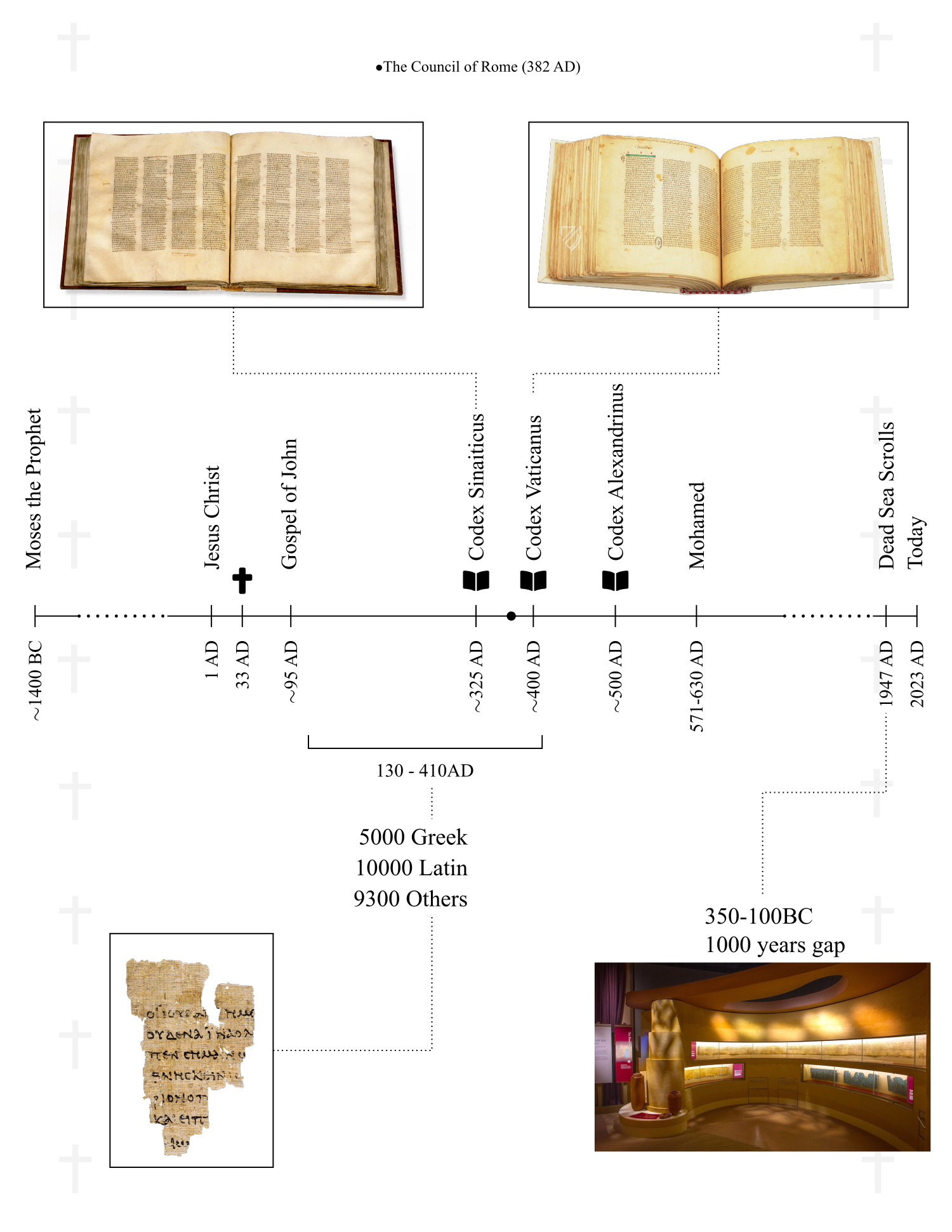
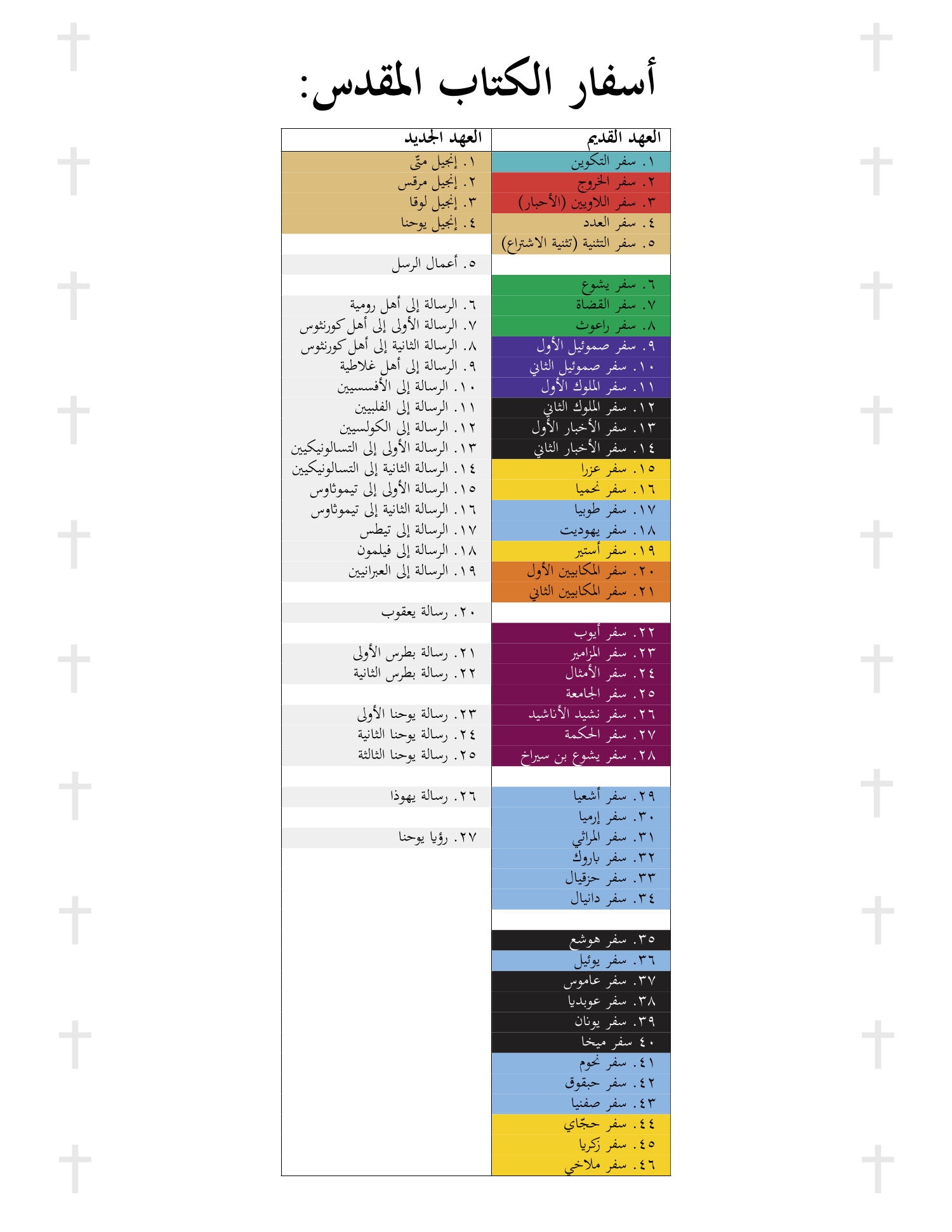
On top of this: The whole bible can be constructed from quotations of the saints who lived before Muhammad. It would be an impossible task to forge every bible in existence!
When the Isaiah scroll was discovered in the Red Sea Qimran scrolls, the previous copy we had was 1000 years ago. Apart from a single letter difference, the copy was an exact reproduction of the copy we had earlier. This proves accurate transmission. (Add reference)